How to Act in Real Life
In the old days, actors had to pretend that no one could see them. Now, as actors, we have to pretend that being seen isn’t so hard.
Curated by Ann Marie Peña in 2012
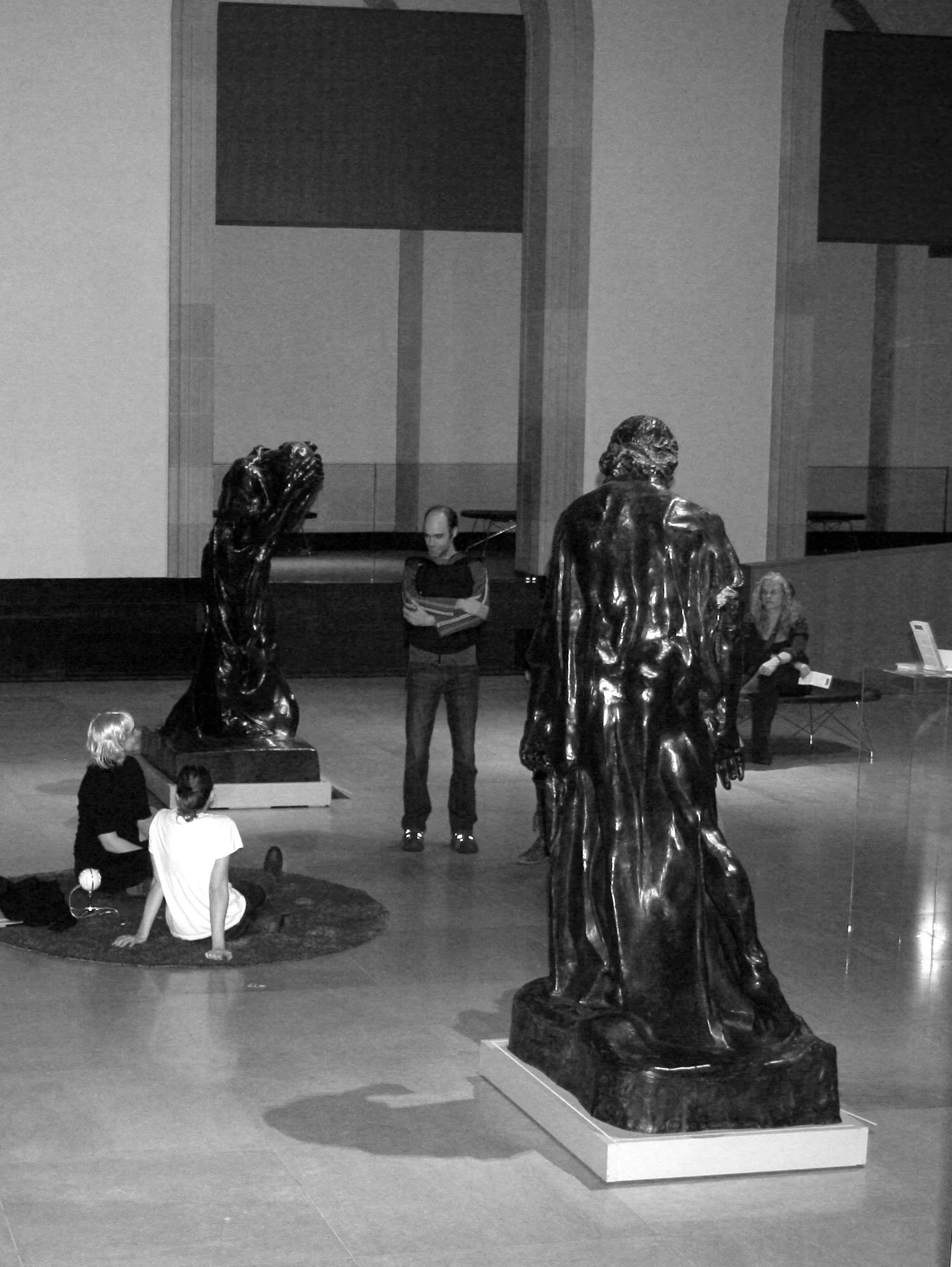
Text and performance commissioned by the Art Gallery of Ontario. Performed for an hour every Wednesday for a month with Sheila Heti while the pamphlet was available on a podium nearby.
HOW TO ACT IN REAL LIFE
THE STAGE & THE FEELINGS
In the old days, theatrical stages were clearly marked. We would climb up to the platform, stand on stage and pretend we couldn’t see all the people staring at us, we would look past them and have all our feelings, and carry out our tragedies, or pretend to, within our plays.
REGARDING YOU, THE AUDIENCE, AND US, THE AUDIENCE
Now though, as the stages appear and disappear constantly under our feet, in the most surprising or banal of places, we have to pretend it is okay that we are suddenly on stage, or suddenly not. That we have our sea legs and sea faces as we shift back and forth from observer to observed, from tragedies and feelings that are real, or not, or could be. To be okay, or pretend to be okay, with not knowing what is what or who is who. To sometimes have all the wrong actions or feelings that help make our best plays or best audiences. While remembering our own selves outside of the observer observed equation.
THE GOOD NEWS
The good news is the new stages, the new recording devices and the new observed are just as real as we are, and we are going for authenticity. If it changes the observed’s feelings and behaviours to know they are being watched, or could be, that is authentic, that is real life. A difference self emerging from being observed is not a lessor self, it is just an additional one, an authentic addition.
THE WOODS
And now we can see how interesting all the new stages are so we don’t have to cut more trees down to build more stages with those trees, and build fake trees, and in turn pretend to not have feelings about the trees and the people who cut the trees down, and the people who are watching them cut them down.
We are learning to endure the fact that sometimes our plays are real and sometimes they are a game, sometimes they are fun, and sometimes they are nightmares. We are learning what actions and characters and feelings fit so well within the boundaries of our new stages—to see, for instance, if these boundaries could even fit the gods or demons of our old stories, or to see which ones still fit, and which ones immediately fall away. And to see, if we can make the real things a play and make the plays real, to see the old or new stories that emerge, rather than letting the old wooden stage absorb all of our hopes for a better world.
*US HERE AND NOW
It might not look like we are doing so much but we are thinking about being seen, talking quietly about being seen, and doing our best to think and talk about other things, the things our characters are driven by. And we’re probably thinking about what you are doing, what you are thinking, and how you are acting but we probably wouldn’t say anything about that as you can hear us.